Radon Handbook is an independent, plain-English guide to radon in US homes, for people with a number in hand or a fan on the wall. We cover what a test result means, how to test, what a mitigation system is and what it costs, how to live with one, what comes up when a house is bought, sold or rented, radon in water, the zone map, and what the health agencies say.
What we do
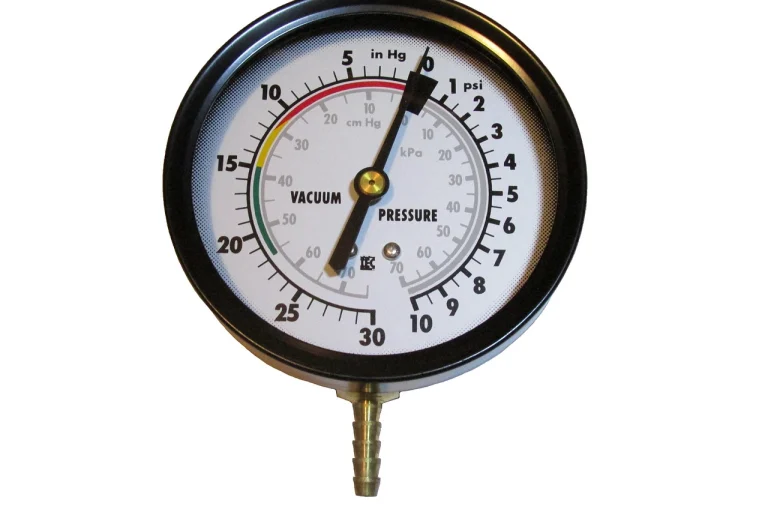
Most radon writing explains what radon is. We start from the question in front of you: what this number means, what EPA says to do next, whether a quote makes sense, why the fan sounds different, what that gauge on the pipe is telling you. Every page ends with the next step, in EPA’s words where EPA has given one, and what to ask.
Each rule, figure and health statement links to its source at the claim. That means EPA guides, CDC, the National Cancer Institute, WHO, state laws and radon offices, federal loan documents, published standards as read, and maker specification sheets. Our how we check page explains where each kind of fact comes from and how we word it. Pages are published under the Radon Handbook name.
What we are not
Radon Handbook is not a government agency, a laboratory, a radon tester, an installer, a lead service or a directory. We test no homes, install no systems and sell no kits or monitors. We have not seen your home, your test report or your quote, and we do not claim to have done the work we describe. We never call a radon level safe, and we do not give medical advice.
How we are funded
Radon Handbook is funded by display advertising. Ads may not appear yet while the site is new. Once they run, some may come from companies in the radon or home repair business. An ad is not an endorsement, and advertisers have no say over what we publish.
How we stay independent
- No affiliate links. We earn nothing if you buy something after reading a page.
- No paid placements. Nobody can pay for coverage, a mention or a better position.
- No sold leads. We collect no details to pass on to testers or installers.
- No referrals and no quotes. We have no quote form, and we do not recommend, list or rank testers or installers. No tester or installer pays us for a mention.
- Nothing for sale. We sell no test kits, monitors, fans or systems, and we install nothing.
That is why our pages can say things a seller might not: that sealing alone is not a reliable fix, that a follow-up test is best done independently of the installer, or that a zone map can’t tell you a home’s level.
How pages are checked
Every page gets a fact-check against its sources, separate from the writing. Each page ends with the date its sources were checked. Our editorial policy sets out each step.
Where to start
If you have a number, the radon test result reader gives EPA’s next step for it. If you don’t, start with how to test for radon. A test is the way to know a home’s level: EPA says its zone map “should not be used to determine if individual homes need to be tested” (EPA, updated 17 August 2026).
Mistakes and questions
Our corrections page logs what we have fixed, and our contact page says how to reach us. Please read our disclaimer too: everything here is general information, not medical, engineering or legal advice.